Hiring a truck is only the first step in completing a safe delivery.
You must also choose the right vehicle, pack every item correctly, arrange enough helpers and ensure the load cannot move while the truck is travelling.
In our experience at Loadit, most preventable damage starts before the vehicle arrives. Customers sometimes provide an incomplete inventory, use weak boxes or choose an open bakkie for items that require an enclosed truck.
The crew then has to solve these problems at the collection point.
Whether you are transporting household furniture, appliances, electronics or business equipment, the following steps will help you reduce the risk of scratches, breakages and water damage.
Measure Large and Awkward Items
Record the maximum length, width and height of your largest items. Pay particular attention to:
- Double-door fridges
- Wardrobes
- Large couches
- Dining tables
- Safes
- Machinery
- Glass panels
- Oversized artwork
These measurements help confirm that each item will fit through the vehicle opening and stand safely inside the loading area.
An item fitting inside the truck does not guarantee that it will fit through the building.
You must also measure the doors, passages and stairwells at the collection and delivery properties.
Declare Heavy Items
Tell the transport company about exceptionally heavy goods. A safe, industrial machine or solid-wood table may require additional helpers, a trolley, a pallet jack or a tail lift.
Accurate weight information also prevents vehicle overloading. Excessive weight affects braking, steering and suspension. It may also make the load unsafe or unlawful to transport.
Identify Fragile and Valuable Cargo
Clearly identify anything that requires special handling, including:
- Mirrors and glass tabletops
- Televisions and computers
- Artwork and antiques
- Musical instruments
- Leather furniture
- Sensitive machinery
- Documents vulnerable to moisture
Declare the approximate value of expensive cargo and confirm the applicable insurance arrangements before booking. Do not assume every type of item or every cause of damage is automatically covered.
Useful article to read: Can I Book a Bakkie Rental Online for Tomorrow?
Choose the Correct Type of Vehicle
The cheapest or smallest vehicle is not always the safest option.
Your choice should reflect the dimensions, weight, fragility and weather sensitivity of the load.

When an Open Bakkie May Be Suitable
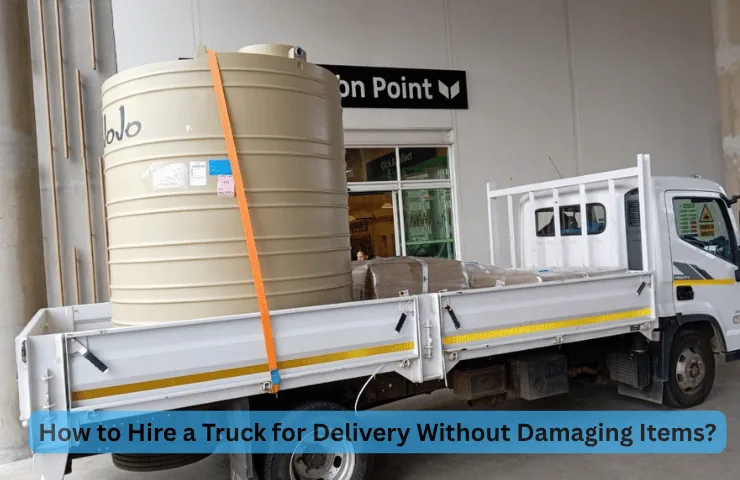
An open bakkie can be suitable for robust, weather-resistant items over short distances. Examples include certain garden equipment, building materials and properly covered furniture.
However, an open vehicle leaves your goods exposed to:
- Rain
- Dust
- Direct sunlight
- Wind
- Road debris
- Possible theft during stops
A tarpaulin provides limited protection, but it is not always a substitute for an enclosed vehicle.
When to Use an Enclosed Truck
An enclosed truck is generally the safer choice for:
- Upholstered furniture
- Mattresses
- Electronics
- Appliances
- Documents
- Artwork
- Fragile household goods
- Products requiring protection from dust or rain
The vehicle must also have enough internal height for items that need to remain upright.
A fridge should not be laid down simply because the selected vehicle is too low.
Explain the Access at Both Properties
Access information affects the vehicle, number of helpers and time allocated to the delivery.
Tell the provider about:
- Steep or narrow driveways
- Low branches and carports
- Estate height restrictions
- Basement entrances
- Narrow gates
- Gravel roads
- Stairs
- Small lifts
- Tight passages
- Long distances between the vehicle and entrance
A large truck may be able to reach the suburb but not enter the complex. If the main vehicle cannot approach the property, you may require a smaller shuttle vehicle. This adds time and may increase the cost.
Pack Every Item According to Its Risks
Different goods require different packing methods.
One layer of plastic wrap will not protect every surface or absorb the forces created by braking, cornering and potholes.
How to Pack Furniture
Remove table legs, couch feet, shelves and other protruding parts where practical.
Wrap each loose component separately and place screws or fittings in labelled bags.
Cover wooden, painted and leather surfaces with clean moving blankets. Use stretch wrap to hold the blankets in place and keep drawers or doors closed.
Do not apply adhesive tape directly to polished wood, leather or painted surfaces. It can leave residue or remove the finish.
How to Prepare Appliances
Empty, defrost and dry fridges before collection.
Secure or remove loose internal shelves and fasten the power cable safely to the back.
Keep fridges upright during transport. Tilting or laying a refrigerator down can allow compressor oil to move into the cooling system. After delivery, follow the manufacturer's guidance before reconnecting it.
Drain washing machines and secure the drum using the manufacturer's transit bolts where available. Keep washing machines upright and protect the exterior with blankets.
How to Pack Glass and Mirrors
Apply masking tape in an X pattern across the glass.
This does not make the item unbreakable, but it can help hold fragments together if the glass cracks.
Wrap the item in bubble wrap and protect both faces with strong cardboard or a suitable picture box. Add corner protectors where possible.
Transport large glass panels and mirrors vertically on their edges. Do not lay them flat beneath other cargo because road vibrations and uneven pressure can cause them to crack.
How to Pack Electronics
Use the original packaging if it is still available.
Manufacturer packaging usually includes shaped inserts designed for the equipment.
If the original box is unavailable, use anti-static bubble wrap for sensitive electronics. Place the item inside a strong box and fill every gap to prevent movement.
Televisions should remain upright. Do not lay a flat-screen television horizontally or place boxes on top of it.
How to Protect Mattresses
Enclose each mattress in a strong plastic mattress bag.
This protects it from dust, moisture and dirt inside the loading area.
Do not fold a pocket-spring mattress. Secure it upright against the truck wall if the manufacturer's design allows it to be transported in that position.
How to Pack Boxes
Use strong, double-walled boxes for heavy or fragile goods.
Avoid used grocery boxes that have become soft or damaged. Pack each box firmly so the contents cannot move. Do not leave large empty spaces, but do not overfill the box until its sides bulge.
As a practical guide, keep most manually handled boxes below approximately 20 kilograms. Seal the top and bottom seams using the H-taping method.
Label each box with:
- The room or destination
- A brief description of the contents
- "Fragile" where applicable
- "This Side Up" where orientation matters
- Whether anything may be stacked on top
How to Pack Artwork
Place glassine paper against painted or delicate surfaces before adding bubble wrap.
This helps prevent the wrapping material from sticking to or marking the artwork.
Use a suitable artwork box or telescopic picture carton. Keep framed artwork and canvases upright during transport.
How to Prepare Machinery
Drain fuel, oil, water and other fluids where the manufacturer and safety requirements permit.
Disclose any hazardous materials before booking.
Secure movable arms, blades and loose components. Heavy machinery should be fixed to a suitable pallet or frame so that it can be lifted and strapped safely.
Understand Who Is Responsible for Packing
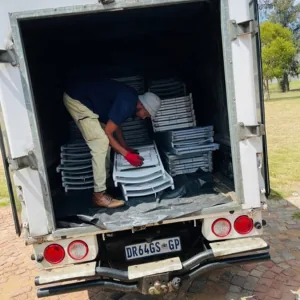
For many standard truck-hire and transport bookings, the customer is responsible for packing, wrapping and preparing the goods before the vehicle arrives.
The transport crew then loads, secures and unloads the prepared items.
Do not assume that boxes, bubble wrap and packing labour are included. If you require a full packing service, request it specifically and confirm the additional price.
Incomplete packing can delay the driver and result in waiting-time charges. More importantly, the provider or insurer may exclude damage caused by inadequate customer packing.
Build from the Front of the Truck
The crew should generally begin near the front wall behind the cab and work towards the rear door. Each section should form a stable wall before the next row is loaded.
Place sturdy, heavy items on the floor. These may include:
- Washing machines
- Fridges
- Stoves
- Toolboxes
- Solid furniture
- Machinery
Distribute the weight evenly from side to side. A load concentrated on one side can affect stability and handling.
Load Medium and Light Items Above
Place strong, medium-weight boxes above stable furniture or appliances only when the lower item can support them safely. Load light boxes, cushions and soft items near the top.
Never stack heavy goods on fragile furniture, electronics or weak boxes.
Respect Safe Stacking Limits
Do not continue stacking until the lower boxes begin to bend. Strong boxes of equal size may be stacked four or five high in suitable conditions, but the correct limit depends on their weight, condition and contents.
Boxes containing books, crockery or tools should remain lower than boxes filled with clothing or linen.
Separate Fragile Items from Heavy Cargo
Mirrors, glass panels, televisions and artwork should be physically separated from machinery and heavy furniture.
Place them vertically against an interior wall and protect them with moving blankets, mattresses or suitable padding. They must be restrained so they cannot fall when the truck turns.
Fill open gaps with soft materials such as:
- Moving blankets
- Cushions
- Bags of linen
- Foam pads
A useful rule is simple:
If an item can move, it can be damaged.
Secure the Load to the Truck
A tightly packed truck still needs restraints. Sudden braking can push the entire load towards the cab, while acceleration and hills can shift it towards the rear door.
Professional vehicles may include anchor loops or internal track systems. The crew should use suitable ratchet straps or load restraints to secure individual rows as loading progresses.
Straps must be firm enough to prevent movement but should not be overtightened. Excessive tension can crush boxes, mark furniture or crack wooden frames.
Use corner protectors or folded blankets between straps and delicate surfaces.
The Driver Also Protects Your Cargo
Even a well-packed load can be damaged by aggressive driving.
Cargo safety depends on smooth braking, acceleration and cornering.
Braking
Sharp braking forces cargo towards the front of the vehicle.
The driver should maintain a generous following distance and anticipate traffic changes.
Cornering
Hard cornering pushes tall items sideways.
The driver should enter roundabouts and bends more slowly than they would in a passenger car.
Acceleration
Fast acceleration can shift items towards the rear doors.
The driver should pull away smoothly, particularly on steep inclines.
Route Selection
Where practical, the driver should avoid badly damaged roads, severe potholes and unnecessary gravel sections.
Speed bumps should be crossed slowly to reduce vertical shock and vibration.
Customers must disclose poor road access during booking. A driver cannot plan around a gravel road or low bridge they do not know about.
A Johannesburg Move That Was Not Ready for Transport
A representative Loadit scenario shows how several small booking mistakes can combine into a serious damage risk.
A customer arranged transport for a three-bedroom Johannesburg home. Instead of supplying an inventory, the customer selected a vehicle according to the number of bedrooms.
The actual load included:
- A solid-wood eight-seater dining table
- A double-door smart fridge
- Several unboxed flat-screen televisions
- Multiple large mirrors
- Fragile kitchenware in grocery boxes
What went wrong?
The customer assumed the transport team would bring all packing materials. The televisions and mirrors were unprotected, while several weak boxes were bulging under the weight of the kitchen items.
An open dropside bakkie had been booked. It did not offer enough protected space, and the double-door fridge could not travel upright safely. An afternoon Highveld storm was also approaching.
The customer had not disclosed the steep driveway, low branches or third-floor destination without a lift.
How the crew responded.
The driver recognised that proceeding with the original plan would place the appliances, electronics and furniture at risk. The team contacted support to arrange a more appropriate enclosed vehicle.
While waiting, the crew used available covers and straps to protect the electronics from the approaching weather. They reinforced the weak boxes and used the customer's linen as temporary padding around fragile kitchen items.
Additional care and manpower were then required to carry the solid-wood table up three flights of stairs without damaging the furniture or apartment walls.
The delivery was completed, but the customer experienced avoidable delays and additional costs.
What Should Have Been Done Differently?
The customer should have:
- Provided a complete inventory list instead of choosing a vehicle by the number of bedrooms
- Measured the double-door fridge
- Booked an enclosed truck with sufficient internal height
- Wrapped the televisions and mirrors properly
- Used double-walled boxes
- Reported the steep driveway and low branches
- Disclosed the third-floor stair access
- Requested enough helpers for the heavy furniture
Check the Insurance Terms Before Booking
Never assume that Goods in Transit insurance is automatically included or that it covers every item and every type of damage.
Review the provider's current terms and confirm:
- Whether your goods travel at the owner's risk
- Whether optional Goods in Transit cover can be arranged
- The maximum insured value
- The excess payable for a claim
- Whether high-value items must be declared separately
- Which types of items are excluded
- Whether poor packing invalidates a claim
- The deadline and process for reporting damage
Loadit customers should review the applicable terms and conditions and confirm any special insurance requirements before finalising a valuable delivery.
Take Photos Before Loading
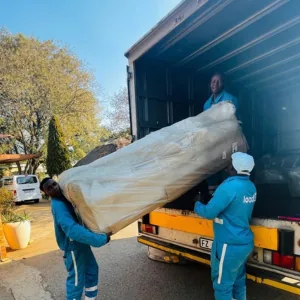
Photograph valuable or fragile items before the crew lifts them. Capture:
- The complete item
- Every side where practical
- Existing marks, cracks or scratches
- The packing and protective materials
- Serial numbers for electronics or appliances
These photographs create a record of the item's pre-delivery condition. If you are hiring and driving the truck yourself, photograph the interior and exterior of the vehicle as well.
Confirm the Inventory at Collection
Count the items with the driver or crew before departure. Use a written or digital inventory for large deliveries.
Record any pre-existing damage and ensure that multi-stop collections are listed in the correct order. Do not add unlisted items at the last minute without checking whether the vehicle has enough space and payload capacity.
Inspect Everything Before Signing at Delivery
Do not sign the Proof of Delivery automatically.
Check that:
- Every item has been unloaded
- Fragile goods have arrived intact
- Furniture has no new scratches or tears
- Appliances have no visible dents
- Boxes are not crushed, wet or torn
Inspect your most valuable and fragile items before the crew leaves. A clean signature may indicate that the delivery was received without visible damage or shortage, depending on the applicable terms.
What to Do If an Item Arrives Damaged
If you discover damage, act immediately.
- Stop handling the item. Do not move, repair or discard it unless doing so is necessary for safety.
- Take clear photographs. Photograph the damage, packaging and the item's position in or near the vehicle.
- Notify the driver. Point out the damage before the crew leaves.
- Record it on the Proof of Delivery. Describe the affected item and damage before signing.
- Contact the transport provider. Report the incident as soon as possible and within the deadline stated in the terms.
- Keep the evidence. Retain packaging, pre-delivery photos, post-delivery photos, the inventory and Proof of Delivery.
- Follow the claims process. Submit the requested evidence and obtain repair or replacement quotations if required.
Final Checklist for a Damage-Free Delivery
Before the truck arrives, confirm that you have:
- Provided a complete inventory
- Measured large and awkward items
- Declared fragile, heavy and valuable goods
- Selected an appropriately sized vehicle
- Requested an enclosed truck where necessary
- Arranged a tail lift for suitable heavy cargo
- Reported all access restrictions
- Booked enough helpers
- Packed and labelled every item
- Confirmed insurance and owner's-risk terms
- Checked waiting-time and multi-stop charges
- Photographed valuable goods
- Prepared an inventory for collection and delivery
Book the Right Truck, Not Just the Cheapest Truck
Preventing damage starts with an honest, detailed booking. The transport team needs to know exactly what is being moved, how large it is, how fragile it is and what access conditions they will face.
Good boxes, moving blankets and bubble wrap protect the surface of your goods. Correct loading, proper straps and careful driving protect them from the forces of the road.
Both parts matter.
Loadit offers flexible truck and bakkie hire with professional drivers and optional helpers.
Provide a detailed inventory, measurements and access information when requesting your quote so the correct vehicle and team can be arranged for your delivery.