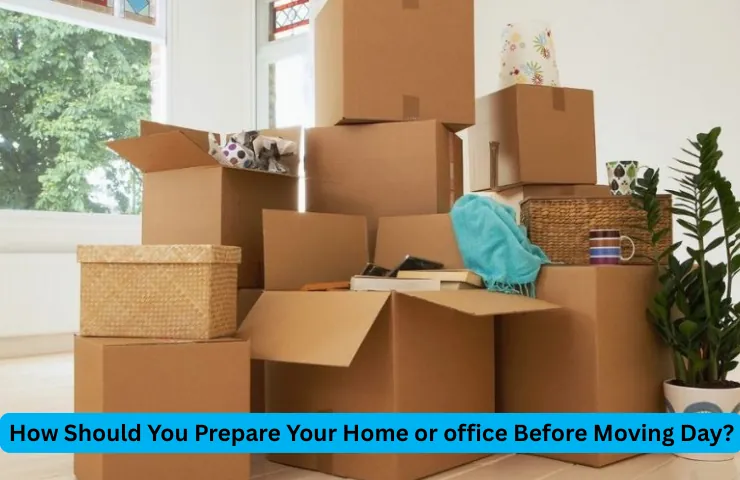
Prepare your home or office before moving day by packing small belongings, protecting fragile items, preparing furniture and appliances, and confirming access at both properties.
Clear the carrying routes and keep essential documents, keys and daily-use items separate. Contact us for all your business deliveries.
The aim is to have your belongings ready for loading when the Loadit vehicle arrives. Loadit provides transport with drivers and optional helpers, while customers are responsible for packing their goods before collection.
Our advice is to focus on three things: a prepared load, clear access and accurate booking details. These make it easier for the team to load safely and help reduce avoidable delays.
Why Does Preparation Make Such a Big Difference?
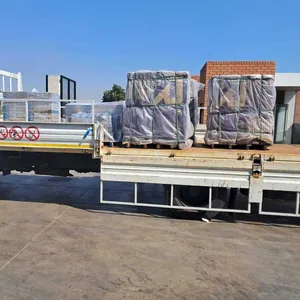
Unfinished packing creates problems throughout a move.
Loose kitchenware, open bags of stationery and furniture still full of belongings are harder to handle and organise inside a vehicle.
Good preparation helps you:
- Reduce unnecessary trips between rooms and the vehicle.
- Protect fragile items and furniture surfaces.
- Keep entrances, stairs and corridors clear.
- Make better use of the available loading space.
- Identify missing items before leaving the property.
- Place boxes in the correct rooms at the destination.
Preparation cannot remove every risk or guarantee a finishing time. It does give you more control over the parts of the move that commonly cause delays.
Read our latest blog post: Can You Provide a Timeline for the Move?
What Should You Do One Week Before Moving?
Check Everything That Needs to Move
Walk through every room and storage area. Include garages, balconies, garden sheds, office storerooms and items kept off-site.
Record your large furniture, appliances and approximate box count. Flag unusually heavy or awkward items and measure furniture that may struggle to fit through doors.
Choose your vehicle based on both weight and physical volume. A load of lightweight furniture can fill the available space before reaching the vehicle's weight limit.
If your load has changed since booking, contact Loadit before moving day to discuss the appropriate arrangements.
Sort Out Items You No Longer Need
Separate belongings into items to keep, donate, recycle or dispose of. Moving unwanted furniture and obsolete equipment uses space and leaves you with more sorting at the new property.
For an office, assign responsibility for reviewing old stock, paperwork and unused equipment. Check document retention requirements before disposing of business records, and arrange secure destruction where necessary.
Confirm collection requirements before arranging refuse removal. Hazardous materials and restricted waste need suitable disposal arrangements.
Pack Non-Essential Belongings
Start with items you will not need during the final week. Use sturdy boxes or suitable containers that can be closed securely.
- Use smaller boxes for heavy items such as books.
- Keep each box at a manageable weight.
- Protect fragile contents and fill empty spaces to limit movement.
- Seal boxes securely.
- Label the contents and destination room.
- Mark fragile boxes clearly.
Avoid relying on thin, open shopping bags for loose belongings. They offer little protection and are difficult to stack.
Confirm Access at Both Properties
Speak to the estate office, body corporate or building manager before finalising transport arrangements.
- Check vehicle size, weight and height restrictions.
- Confirm permitted moving hours.
- Reserve a goods lift where required.
- Arrange a suitable loading or parking area.
- Ask what driver and helper information security requires.
- Confirm access codes, keys and receiving contacts.
Share stairs, long carrying distances and restricted entrances with Loadit. Where larger vehicles cannot enter, discuss a suitable vehicle configuration or shuttle arrangement in advance.
How Should You Prepare Furniture and Appliances?
Empty and Prepare Large Furniture
Remove heavy contents from wardrobes, desks and filing cabinets. This makes furniture easier to handle and reduces strain on drawers, runners and frames.
Measure bulky items against doorways, passages and lift openings. Arrange dismantling before moving day where necessary, and confirm any assistance you need rather than assuming the moving crew will provide it.
- Photograph furniture before taking it apart.
- Place screws and fittings in labelled bags.
- Keep fittings with the correct furniture parts.
- Protect removable shelves and glass panels separately.
- Secure doors and drawers using a method suitable for the finish.
Avoid applying strong adhesive tape directly to painted, polished or delicate surfaces.
Prepare Fridges and Freezers
Follow the manufacturer's moving instructions for your appliance.
Allow enough time to empty, defrost where necessary, clean and thoroughly dry it before collection. Pack food separately and arrange appropriate temperature-controlled storage for anything that needs it. Secure loose shelves and drawers as instructed.
Tell the team about the appliance before loading. Fridges generally need upright transport, and the manufacturer's instructions should guide any waiting period before switching them on at the destination.
Disconnect Washing Machines and Other Appliances
Arrange appliance disconnection before the vehicle arrives.
Use an appropriate professional for plumbing, gas or fixed electrical work.
Drain washing machine hoses and prepare the machine according to its manual. Where the model requires transit bolts, have the correct bolts fitted as instructed. Remove them before operating the machine at the new property.
Keep hoses, cables and accessories labelled so they are easy to locate during installation.
Protect Computers and Electronics
Back up important information before disconnecting equipment.
Photograph cable connections and label each cable for the correct device.
Use original packaging where available or suitable protective packaging. Keep screens protected from pressure and prevent loose accessories from scratching surfaces.
For an office move, let your IT provider manage servers, network equipment and any systems that require specialist shutdown or installation.
What Should Be Finished the Day Before Moving?
By the day before collection, most belongings should be sealed, labelled and ready. Leave only the essentials you need overnight or during the final working hours.
- Finish packing non-essential items.
- Prepare large furniture and appliances.
- Confirm lift bookings and security arrangements.
- Check that the loading area will be available.
- Make sure someone can receive the goods.
- Separate belongings that will travel with you.
- Charge your phone and save your booking details.
Plan how to pack the final daily-use items on moving morning. Keep an empty box, tape and a marker available so these do not become loose belongings at the last minute.
How Does Home Preparation Differ From Office Preparation?
For a Home Move, Label by Room
Use clear labels such as "Main Bedroom", "Kitchen" and "Study". Put labels on the sides as well as the top so they remain visible when boxes are stacked.
Keep first-night essentials separate. Arrange care for children and pets so you can coordinate the move without managing them in active loading areas.
For an Office Move, Label by Department or Workstation
Give each workstation a clear reference, such as "Accounts, Desk 4". Use that reference on the desk, chair, computer packaging and associated boxes.
Prepare a floor plan showing where furniture and equipment belong. Give the receiving coordinator a copy so they can direct offloading without repeatedly stopping the crew.
- Assign each employee responsibility for their workspace.
- Empty heavy files from cabinets into suitable boxes.
- Keep confidential records secure throughout the move.
- Coordinate IT shutdown and setup with your service provider.
- Keep active orders and essential working documents accessible.
Appoint one main coordinator and a backup. Clear instructions are easier to follow than directions from several employees at once.
How Should You Protect Floors, Doorways and Access Routes?
Use Suitable Floor Protection
Choose protection that suits the flooring and remains secure under foot traffic.
Purpose-made protective runners may be more suitable than loose blankets or slippery plastic.
Check the flooring manufacturer's guidance and test any adhesive in an inconspicuous area. Even low-tack tape can damage some finishes.
Keep protective materials flat and secure. Remove anything that bunches up, slides or creates a trip hazard.
Protect Vulnerable Corners
Consider suitable padding for narrow doorframes and exposed corners along the carrying route.
Secure it without damaging surfaces or reducing the opening so much that furniture cannot pass.
Discuss tight turns and delicate finishes with the team before handling large items.
Clear the Entire Carrying Route
- Remove loose rugs, cables and clutter.
- Keep stairs and landings clear.
- Move bins and parked cars out of the agreed loading area.
- Remove vulnerable pictures or mirrors from narrow passages.
- Check lighting along indoor and outdoor routes.
- Keep emergency exits accessible.
If a fixed light fitting or another installation obstructs the route, arrange appropriate professional help. Do not attempt electrical work as a last-minute moving task.
How Should You Manage Children, Pets and Office Staff?
Keep Children and Pets Away From Loading Areas
Arrange for children to stay with a responsible adult away from the carrying route.
A person moving furniture may have limited visibility and cannot safely react to a child running across their path.
Where possible, arrange a pet-sitter or a quiet place away from the move. If a pet remains at the property, use a secure, comfortable and ventilated room with water, and make sure everyone knows not to open it.
Check the room regularly and make a separate transport plan for your pet.
Limit Office Traffic During the Move
Where practical, have non-essential employees work remotely or move departments in stages.
Keep staff away from corridors being used for loading.
The coordinator should handle placement questions and communicate changes. Employees should know where to go for updates rather than giving conflicting instructions to the crew.
How Preparation Changes a Move: Two Illustrative Examples
A Prepared Office
Imagine an office where stationery and files are boxed, workstation equipment is labelled, and the goods lift has been reserved. The loading area is clear, and a coordinator has the new floor plan ready.
The crew can assess the goods and begin loading without waiting for employees to empty drawers or locate cables. At the destination, labels help the team place each item in the correct zone.
An Unfinished Apartment
Now consider an apartment where kitchen items are still in cupboards, a bed needs dismantling and the fridge has not been prepared. The lift has not been booked.
The customer must resolve several tasks before all the goods are ready. The move becomes harder to schedule, and unsuitable packaging increases the risk of damage.
These examples illustrate common preparation problems rather than documented Loadit customer cases.
The practical lesson is to complete packing and access arrangements before collection. If something remains unfinished, tell Loadit promptly and ask what options are available.
What Should You Check on Moving Morning?
Walk through the property before the vehicle arrives. Check areas that are easy to miss and confirm the loading route is still clear.
- Look inside cupboards, drawers and built-in wardrobes.
- Check behind doors and above cabinets.
- Inspect the garage, balcony, shed or office storeroom.
- Confirm all moving boxes are closed and labelled.
- Check appliance preparation against the relevant instructions.
- Make sure parking and lift arrangements are in place.
- Keep keys, access codes and contact numbers available.
- Separate items that must stay at the property.
Photograph utility meter readings where relevant and record the property's condition for your handover. Repeat the appropriate checks when you receive the new premises.
When the crew arrives, point out fragile items, awkward furniture and anything that must be unloaded first.
What Should You Keep With You?
Home Moving Essentials
Pack a clearly marked bag or box that stays under your control and travels separately where practical.
- IDs, passports, lease documents and important paperwork.
- Keys, remotes and access cards for both properties.
- Medication and basic first-aid supplies.
- Jewellery and other small valuables.
- Phones, chargers and essential personal electronics.
- Toiletries, toilet paper and a change of clothes.
- Basic bedding, drinking water and snacks.
- Children's and pets' immediate essentials.
- Scissors, labels and a small set of suitable tools.
Keep sharp tools secured and out of children's reach. Store medication according to its instructions rather than leaving it in a hot vehicle.
Office Moving Essentials
- Keys, access cards and alarm contact details.
- The moving inventory and destination floor plan.
- Contact details for building management, IT support and Loadit.
- Authorised laptops and essential working equipment.
- Securely managed backups under your IT provider's instructions.
- Labels, markers, tape and cable ties.
- Essential operational records kept securely.
Keep sensitive business information under the control of authorised staff. Avoid gathering unnecessary confidential records into an unsecured moving-day box.
Prepare Your Loadit Booking for the Actual Move
Before moving day, confirm that your booking reflects the stops, helpers and access conditions involved. Preparation at the destination matters just as much as preparation at the collection address.
If your plans change, contact Loadit early. An accurate description gives the team more time to assess suitable transport and assistance.
Visit Loadit to request a quote for your home or office move.
Share your load and property details upfront, then aim to have everything packed, protected and accessible before collection.