Yes, you can request an estimated timeline for your move. A useful estimate should cover loading, travel and offloading, with extra time allowed for access restrictions, traffic and unexpected delays.
For a straightforward local move, a small apartment may take around 2 to 3.5 hours, while a larger three-bedroom home could take 5 to 8 hours or longer. These are planning guides, rather than confirmed Loadit service times. Your actual schedule depends on your belongings, preparation, vehicle, helpers and conditions at both properties.
Our advice is to discuss your timing requirements before booking, especially if you have a goods lift reservation, an estate moving deadline or a fixed key handover.
A realistic schedule starts with accurate information about the whole move. For all your household moves contact Loadit today.
What Information Is Needed to Estimate Moving Time?
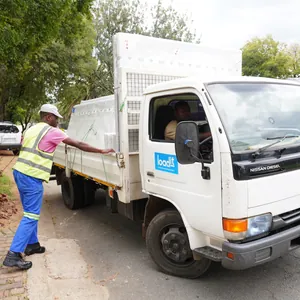
The distance between your addresses only tells part of the story.
Loading a fully packed ground-floor apartment is very different from clearing a third-floor flat with narrow stairs.
To help assess your timeline, provide the following details:
- Your collection and delivery addresses.
- The approximate number of boxes and large furniture items.
- Heavy, fragile or unusually shaped belongings.
- The floor level at each property.
- Stairs, lift dimensions and lift booking requirements.
- The distance between the parking area and each entrance.
- Vehicle restrictions and security procedures.
- The number of helpers you intend to book.
- Any additional collection or delivery stops.
- Whether everything will be packed and ready on arrival.
Photographs of bulky furniture and difficult access points can help explain conditions that are easy to overlook in a written description.
Be specific about deadlines. Saying "we need to finish early" is less useful than explaining that your goods lift booking ends at 14:00 and every item must be inside by then.
Read our latest blog: Can I Request Additional Services on Moving Day?
How Long Could a Local Move Take?
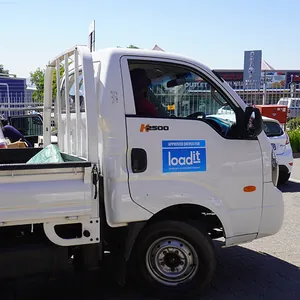
The examples below assume a local journey of roughly 15 to 20 kilometres, one suitable vehicle load, an appropriate crew and straightforward access. They also assume that boxes are sealed, fragile items are protected and furniture is prepared before collection.
The travel allowance is illustrative. Check the route and likely traffic for your moving date, as a short urban journey can still take considerably longer during congestion.
| Home size | Loading | Travel | Offloading | Total |
|---|---|---|---|---|
| Small apartment or studio | 45 minutes to 1.5 hours | 30 to 45 minutes | 45 minutes to 1.25 hours | 2 to 3.5 hours |
| Two-bedroom home | 1.5 to 2.5 hours | 30 to 45 minutes | 1.5 to 2.25 hours | 3.5 to 5.5 hours |
| Larger three-bedroom home | 2.5 to 4 hours | 30 to 45 minutes | 2 to 3.25 hours | 5 to 8 hours |
Small Apartment or Studio: Around 2 to 3.5 Hours
This example suits a modest load with easy access at both properties.
Several flights of stairs, a long carrying route or more furniture than expected could extend the schedule.
Choose the vehicle based on the actual load. A one-bedroom property can contain very different volumes of furniture and boxes.
Two-Bedroom Home: Around 3.5 to 5.5 Hours
This assumes the furniture, appliances and packed boxes fit safely into one suitable load.
Confirm vehicle suitability before booking, particularly if you also have patio furniture, garage contents or a storage unit to clear.
Larger Three-Bedroom Home: Around 5 to 8 Hours
This example assumes sufficient vehicle capacity, enough helpers and parking reasonably close to both entrances.
Large furniture should already be dismantled where necessary.
A heavily furnished home, specialist items or multiple loads may require longer. Leave room in your day for the actual conditions rather than treating these ranges as a finishing promise.
What Makes the Biggest Difference to Your Moving Timeline?
Being Fully Packed Before the Vehicle Arrives

Packing readiness is one of the most useful things you can control. If the team can start carrying immediately, loading is easier to organise.
Loadit asks customers to box small items and protect delicate belongings before collection. Prepare cupboards, loose kitchenware and garage contents beforehand so the crew can focus on loading.
- Seal and label boxes.
- Protect glass, electronics and other fragile belongings.
- Keep essential personal items separate.
- Secure loose furniture parts.
- Clear the route to the exit.
Do a final walk-through before moving day. Forgotten items often appear in outside rooms, cupboards, patios and storage areas.
Stairs, Lifts and Carrying Distances
Every item has to travel from its room to the vehicle, then from the vehicle to its destination.
A long walk at either property repeats across the entire load.
A lift can help, but only if it is available and large enough for your belongings. Check whether you need to reserve it, whether other residents will share it and what happens if it stops working.
Tell the moving team about narrow passages, tight corners and furniture that may not fit through doorways. Discovering these obstacles during loading makes the schedule harder to manage.
Vehicle Capacity and Crew Size
A vehicle that is too small can turn a single-load move into a return journey.
An unsuitable crew size can also slow down handling or make heavy items unsafe to move.
Discuss the full load and access conditions when choosing your vehicle and helpers. Additional trips need their own loading, driving and offloading allowance, so they should be assessed separately.
Traffic and Additional Stops
Use a realistic driving allowance for the route and time of day.
Include each collection or delivery point, plus the time required to enter, park and handle goods there.
A stop that looks brief on a map can take longer if the contact person is unavailable or the items are not ready.
An Illustrative Example: Estate Restrictions Extend a Move
Imagine a customer moving a heavily furnished two-bedroom apartment between two Johannesburg estates. They plan around a four-hour move and choose a large truck to carry everything in one load.
At the destination, security explains that the vehicle cannot enter the residential lanes. The remaining route to the apartment is about 150 metres.
The original estimate no longer reflects the work required. The team now needs an approved, safe access solution, which might involve a shuttle vehicle or a different collection arrangement. Carrying the entire load over that distance could add substantial time and may be unsuitable for some items.
This is an illustrative scenario, rather than a documented customer move. It shows how access rules can affect timing even when the load estimate is accurate.
Loadit offers shuttle options for properties with restrictions on larger vehicles. Discuss these before moving day so the transport arrangement matches the property.
Check Exactly What the Estate Restriction Means
Ask management for the actual vehicle requirements. A reference to "three tons" may describe a vehicle weight limit rather than its advertised carrying capacity.
Get the rule in writing where possible and share it with Loadit before selecting your vehicle. Also ask about height clearance, trailers, permitted hours and security registration.
If the estate needs driver or helper information in advance, confirm the process early. Avoid relying on last-minute registration when the property requires a longer approval period.
How Should You Plan Around a Fixed Deadline?
Work backwards from the time everything must be completed.
Include the final offloading stage, rather than planning only for the truck to arrive before the deadline.
For a move with a 14:00 completion deadline, an illustrative schedule could look like this:
| Stage | Allowance | Time |
|---|---|---|
| Completion deadline | 14:00 | |
| Target completion | Two-hour buffer | 12:00 |
| Offloading | 1.5 hours | Starting at 10:30 |
| Travel | 45 minutes | Departing at 09:45 |
| Loading | 1.5 hours | Starting at 08:15 |
This example requires loading to begin at 08:15. Check-in, parking and the initial assessment may need additional time before that. Discuss the required collection arrangement with Loadit rather than assuming the requested arrival time means loading starts immediately.
As a practical planning recommendation, allow around 1.5 to 2 hours of contingency when missing a deadline would create a serious problem. More complex moves may need a larger margin.
A buffer reduces pressure, but it cannot guarantee completion. If your lift booking also has a fixed start time, build the schedule around both ends of that window.
How Can You Follow the Move's Progress?
Check Your Driver's Details Before Collection
Loadit's FAQs say the driver's name and phone number are generally available in the web app approximately one hour before the requested pickup time.
Contact support earlier if you need help coordinating access requirements.
Use direct communication for practical details such as the correct entrance, loading area or gate instructions.
Use Tracking Where Available for Your Booking
Loadit describes live tracking for business deliveries through a "Where is my driver?" link, available by email and in the order details once a driver is assigned.
The link can be shared with the receiving contact. Check which tracking and notification options apply to your booking. SMS updates can also be selected for location contacts through the booking details.
Tracking helps you follow vehicle progress. It cannot predict exactly how long unloading will take once the truck reaches the property.
Reassess Timing at Key Stages
Ask for an updated estimate after the team has assessed the load and again if conditions change. Useful checkpoints include:
- Arrival and inspection of the goods.
- Completion of loading.
- Departure for the destination.
- Arrival and confirmation of access.
- Any decision to arrange another load.
These updates help you warn landlords, building managers and receiving contacts before a delay affects them.
What Should You Do If the Move Runs Late?
Raise the issue as soon as you see a deadline becoming difficult. Speak to the driver about progress and contact Loadit Support if the booking or transport arrangements need attention.
- Notify the building manager or estate office before access expires.
- Ask whether an extension is available and confirm any conditions.
- Update the person handling keys or receiving the delivery.
- Discuss whether an agreed unloading priority would help.
- Confirm the cost and availability of any extra transport or assistance.
If a goods lift slot is running out, prioritising bulky furniture may help, provided the crew agrees it is safe and practical. Do not assume smaller items can be moved later if the building's rules prohibit it.
If the new property is not ready, contact support before cancelling or rebooking. Ask about the available options and applicable charges so you can make an informed decision.
Is an Estimated Timeline a Guaranteed Finishing Time?
An estimate is a planning range based on the information available. Treat your completion time as estimated unless a specific commitment has been expressly agreed for your booking.
Traffic, access problems, additional items and loading conditions can change the schedule. Other moving providers also have different terms, so check the actual agreement rather than assuming a particular type of mover guarantees completion.
Price and timing are separate questions. A quoted job price does not mean the move has an exact duration, and changes to the booked work may affect the charge. Ask support to explain the implications when your plans change.

Prepare for a More Predictable Moving Day
The most useful timeline combines a realistic load estimate, confirmed access and enough time for unexpected problems. Finish packing, prepare large furniture and share restrictions before collection.
Visit Loadit to request a quote for truck or bakkie transport.
If you have a strict completion deadline, discuss it with Loadit Support before booking so you can plan around the requirements of your move.